
Soulful Moments: Secret Trespassers warranted!

img_0578

This is about my silent guests at Replenish, who frequent the garden at the most odd and unexpected hour, appearing and disappearing into the morning rain drenched forests and sometimes coos from a Sour-sop tree.

I had to hide and creep behind a door to find out, who they were! It was not one but five Horn-bills – a flock in a feast.

The Sri Lankan grey horn-bill (Ocyceros Gingalensis) is a typically tropical bird also found around the world with a similar climate.

This beautiful bird is about 45 centimetres large in length with grey wings, black primary flight feathers, a grey back and a brown crown. Its long tail is blackish with white shades on the sides. The long, curved bill and the red eyes are prominent features that made me interested in observing them for quite a while this summer.

They usually live in pairs or small flocks consisting up to five birds (2 adults and 2-3 juveniles). They are omnivores in appetite and are observed consuming berries, fruits, insects and small lizards.
 

img_0509

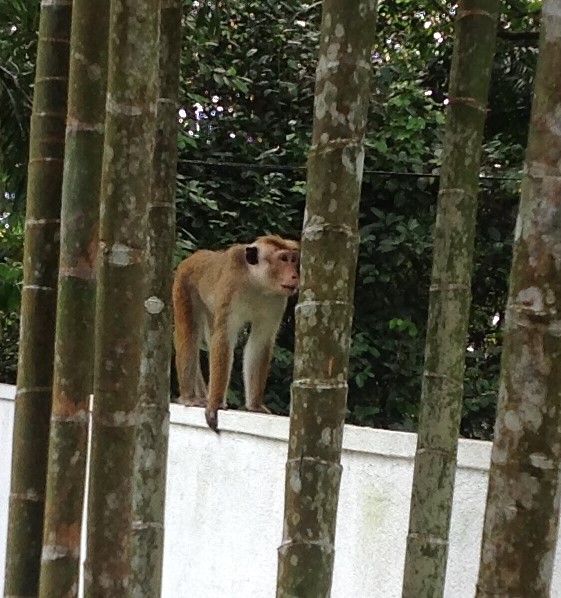
Then there are the friendly apes.

They too frequent my garden on and off off-guard, most of the time engaged in conversations with clansmen half-hidden amongst the tall trees right in front of our garden or in the adjoining forest. I am not surprised to see them even at the rare entrance, curiously marvelling our meals dished out at the dinning table.

Probably, expecting a welcoming banana or a papaya that sometimes greet them unexpectedly. Being an animal loyal to the herd, they often come in families in different shapes and sizes – mothers with their babies and young adults clearing a safe pathway. It is so adorable to observe how the little babies cling to their mom’s tummy with gentle claws and their mothers stroking them every now and then with a mind set-on safety and food above anything.

Then there are fascinating insects of all kinds ranging from rare butterflies to bees that turn the natural foliage around into their unique home to live and make it a season full of buzzing life around you – replenishing ones inquisitive soul.
Thought Sparks: A Walk to the Temple and back

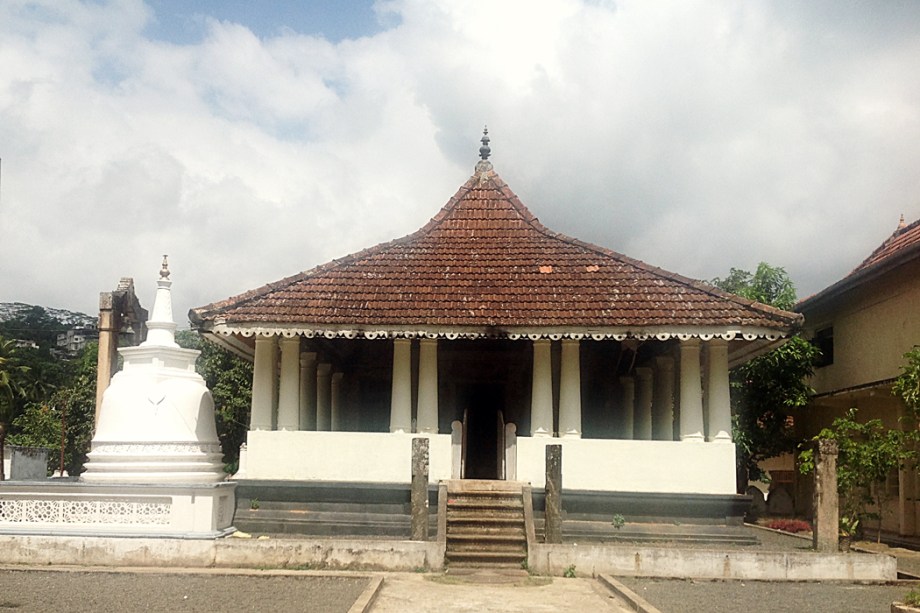
There is a serene and ancient Rajamahaa Vihaaraya – a Buddhist temple revered by the kings in the past and the villagers to date, which is only a brisk morning or evening walk away from Replenish. It is a very invigorating walk passing by people of all walks of life and discovering the village in its myriad manifestations that could meet the eye.

kandy_4


The temple Malagammana Puraana Rajamahaa Vihaaraya was built during the Kingdom of Kandy which was an independent monarchy located in the central and eastern parts of the island. The Kandyan kingdom was founded in the late 15th century and endured until the early 19th century. The dating suggested that this place of worship and scholarship had had a long history.

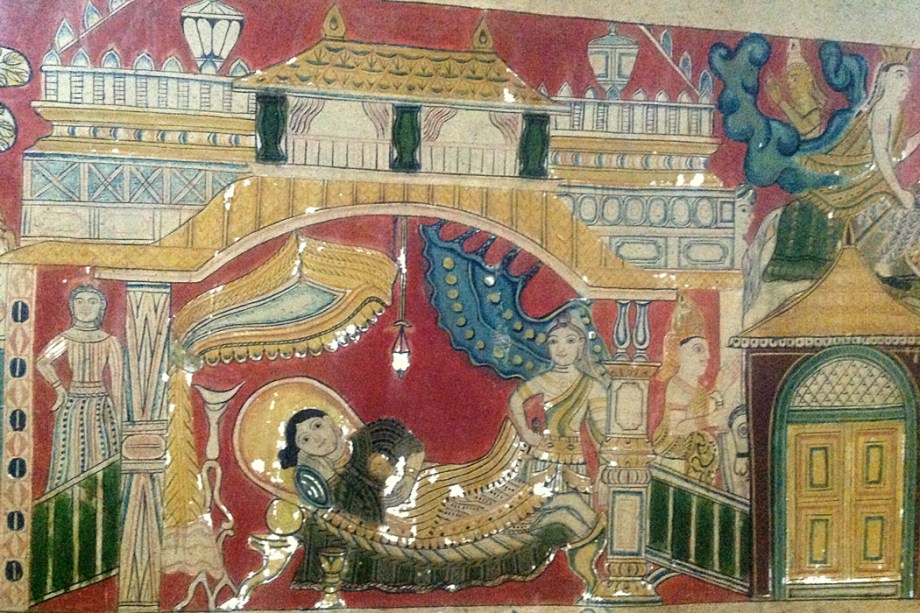
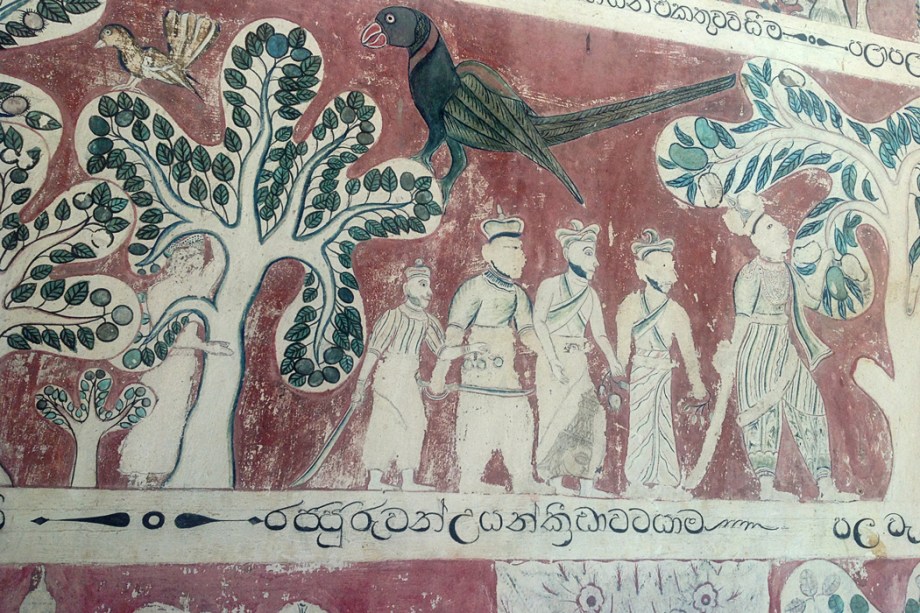
Artistically, the architecture, the lime walls & ceiling paintings of the shrine room, as well as the stone carvings were ready give-aways of significant and characteristic details of the Kandyan tradition of art and era. Interestingly, two distinct epochal stages of artistic development could be identified in the inner chamber of the shrine, when one closely examines the wall paintings that depict an older and latter highpoint of the Kandyan kingdom and its artistry – a rarity.


kandy_2


The older paintings on the cracking walls and the moist and mould ceilings are simple as per the techniques used to stomp the pigment as well as the subject matter – mostly the life of Buddha. One could observe the much traditional motives to be flat, disproportionate and two-dimensional, painted also on wooden panels with a reduced colour range like bleached-red, coral-white, beetle-black and a faded green on the off-white lime parchment.


kandy_3


In contrast, the paintings belonging to a much latter stage stand different in style, bolder in colour palette and differentiated in subject matter as one could observe the colonizers’ mark – the Portuguese, the Dutch and less of the British – in depictions of the exteriors and interiors of palaces, ordinary homes, the diversified furniture to ornaments and attire.


kandy-1


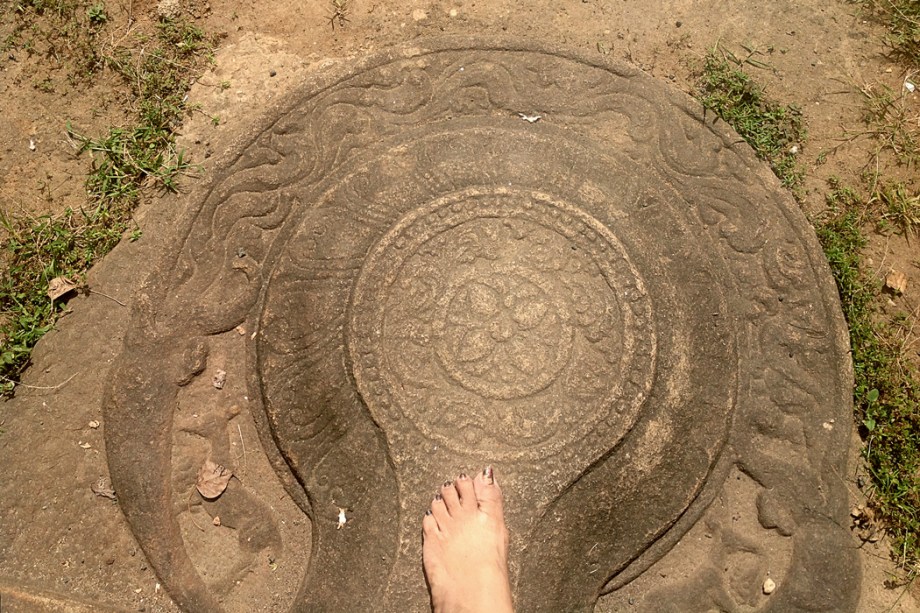
When one examines the architecture of the temple, the beautiful combination of both wood & stone is prominent and poignant. The foundation of the main shrine are carved out of stone block including the steps leading to the shrine and in particular the moonstone or the ‘Sandakada Pahana’ the landing circlic step in row, again typically Kandyan in style, which is comparatively simple in motives and carvings.

An enriching experience that is highlighted by the meditative silence in the soft winds that shake the Bo-tree with soft sand beneath the feet and a sweetened soothing scent in the breeze due to the burning incense and flickering coconut oil lamps encore.


Soul Food: The Replenish Mixed Herbs Salad


When my body craves for greens for lunch, I just take a walk in my garden with a basket in my hand. It is very rewarding, when you look for edible plants that are growing free loose in the wild as curiosity roars when you snip them at your fingers. There is a moment of serendipity and mindfulness in finding a medicinal plant here and there. It only takes the practice of some family wisdom and the repetition of a much cherished ritual such as the herb-hunting I did with my mother in her garden, in the wilderness walking alongside her and even making our discoveries in rarely chartered pathways in the neighbourhood.


As a frequent traveller, whenever I am in Sri Lanka and seek some soulful rest at Replenish, the Mixed Herbs Salad or the ‘Kalawam Palaa Malluma’ as known in the Sinhala language, becomes the ideal practice to dip all my senses in the nature around with appreciation. As there are no fixed ingredients to this recipe, I just go pick greens per availability; just enough to feed me and leaving behind a sporadic trail leaving enough for nature to sustain itself.

So, all I do is look around, snip-nib greens, wash them thoroughly and cook the Malluma! Well, just one stirring-minute on fire, just enough to infuse all the medicinal goodness and peculiar earthy flavours.

Ingredients you’ll need:

  1. Four to five wild herbs per availability.

I would suggest some of the common varities (such as Mukunuwenna , Kuppameniya , Wel Penela, Gotukola, Polpalaa , Passion fruit and Monara Kudumbiya) you find in your garden. You’ll only need little amount of each as it is a mixed herbs dish.

  1. Some grated fresh coconut
  2. One green-chili finely chopped
  3. One medium-sized red-onion finely chopped
  4. Pinch of salt as per your taste
  5. Lemon juice (it is healthy to add after cooking, which is however optional)

Method:

  1. Wash the leaves and keep them aside for few minutes to drain.
  2. Chop the leaves finely.
  3. Put the leaves in a pan and add all the ingredients listed under number 2, 3 ,4 and 5.
  4. Turn-on the stove to medium heat (ideally on open flame).
  5. Stir with a wooden spoon while cooking.
  6. Turn-off the stove after one minute to retain the intensity and shades of green.
  7. Add a sprinkle of lemon juice (again optional).
  8. Take the pan off the stove and serve as soon as possible. If you leave it in the pan for cooling, you may loose its colour and as well as the taste that too may go awry. This also means a loss of the nutritious and medicinal goodness.
  9. Serve the Kalawam Palaa Malluma ideally with wild/red rice and complimentary curries.

I hope you’ll enjoy the infusion of myriad flavours and the sudden boost of energy that follows while replenishing your soul.

With replenishing greetings,

Anna